
Gem Map
Knowledge
Guides and articles about gemstones and fine jewelry.
Sep 9, 2026
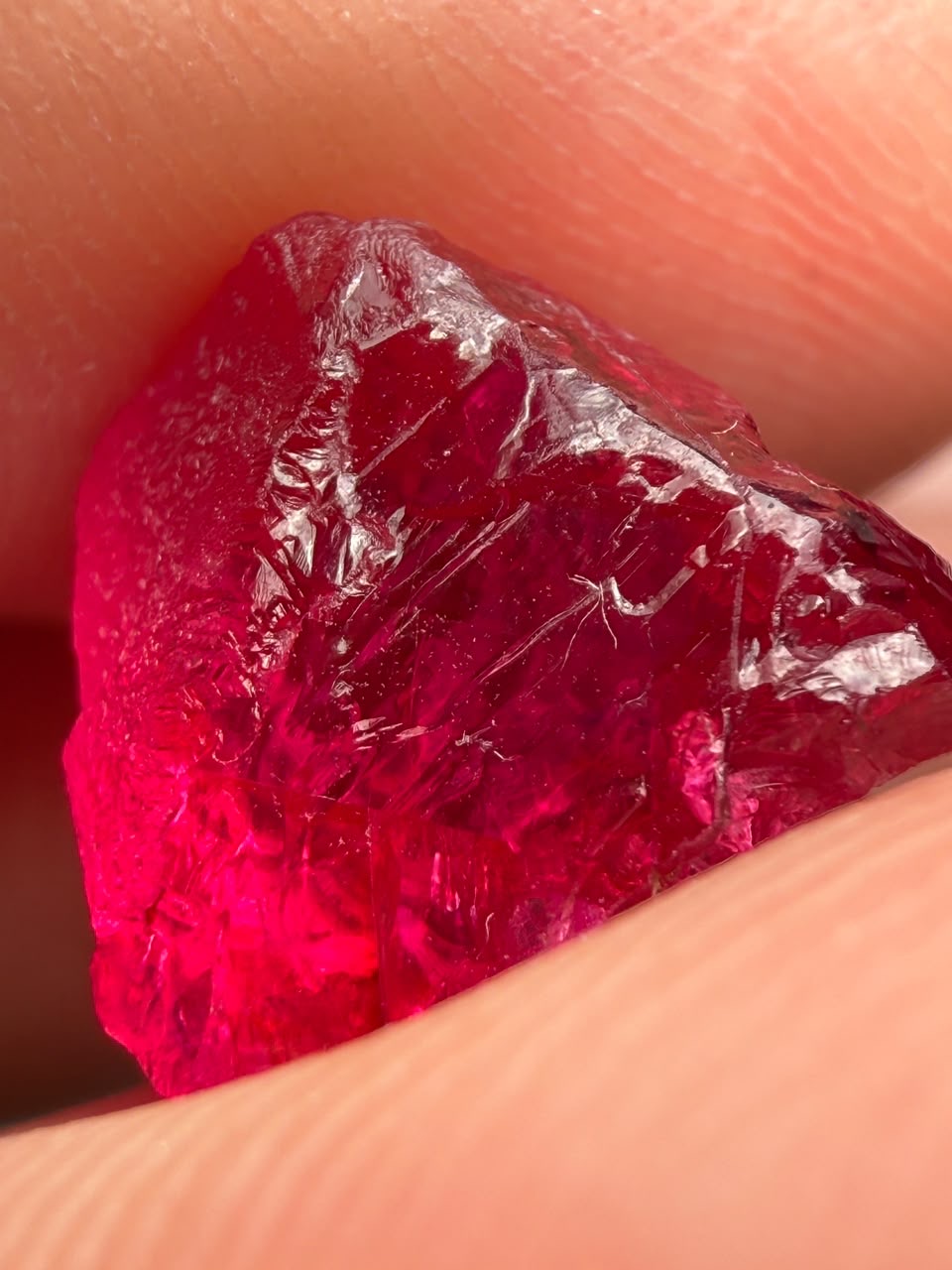
Ruby
What is Ruby? https://en.wikipedia.org/wiki/Ruby
Aug 3, 2026
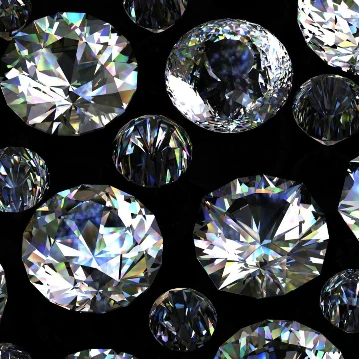
Lab-Grown vs. Natural Diamonds: Pricing, Certification, and Value Retention
Both lab-grown and natural diamonds are chemically, physically, and optically identical. They share the exact same crystal structure (pure carbon), measure a maximum 10 on the Mohs scale of hardness, and emit identical fire and brilliance. However, their differences lie in their origin, pricing, certification standards, and long-term market value. 1. Physical & Chemical ComparisonNatural Diamonds: Formed billions of years ago deep within the Earth's mantle under intense heat and pressure, then brought to the surface via ancient volcanic activity. Lab-Grown Diamonds: Created in high-tech laboratories over weeks or months using advanced technological processes like Chemical Vapor Deposition (CVD) or High Pressure High Temperature (HPHT).
Aug 3, 2026
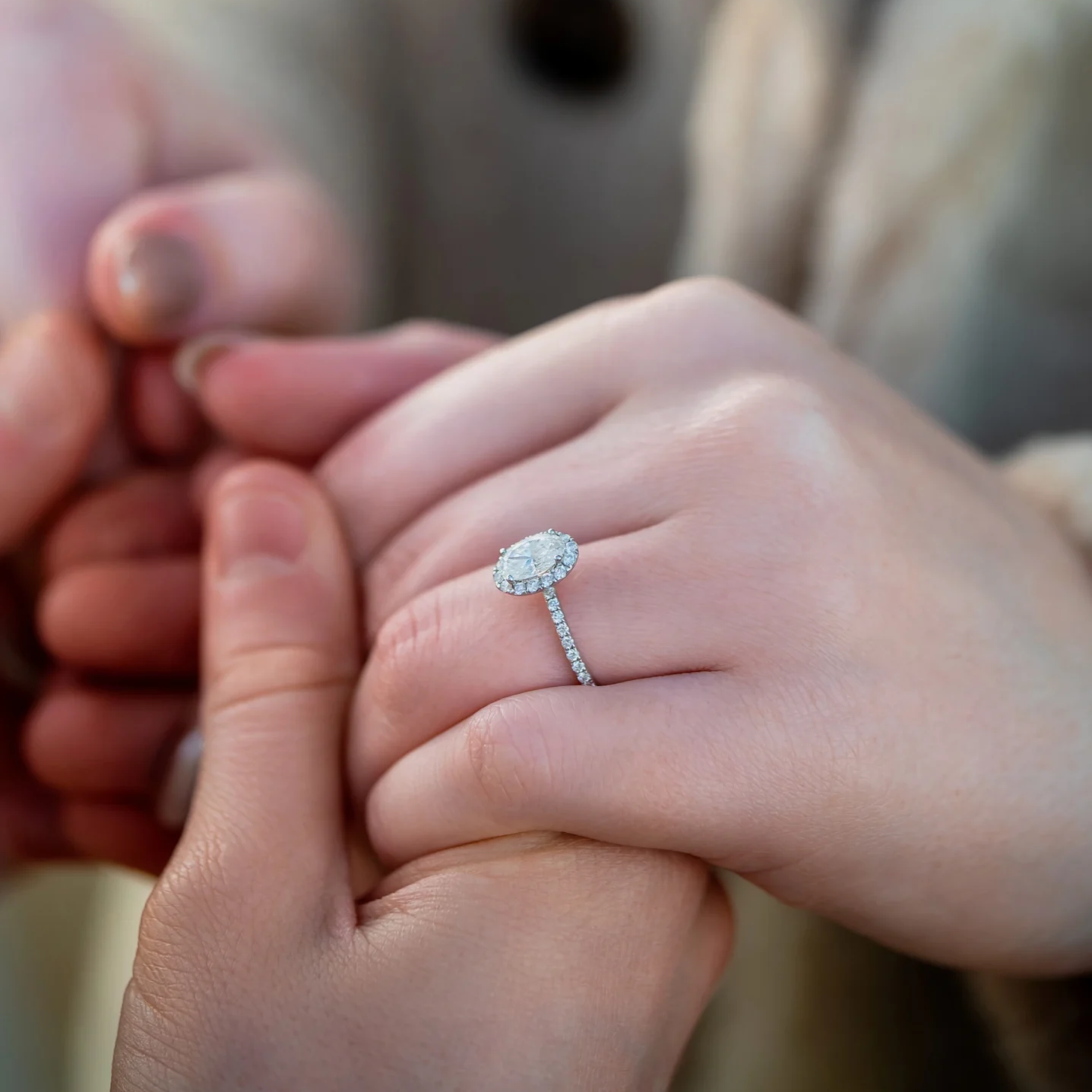
How to Measure Your Ring Size Accurately at Home
To avoid return shipping and resizing delays, follow these steps to determine your exact ring size before placing an order.Method: The Paper & Ruler TestCut a Strip: Cut a thin strip of paper (~10 cm long and 0.5 cm wide).Wrap it Round Your Finger: Wrap the paper tightly around the base of the finger you plan to wear the ring on. Tip: Make sure to account for your knuckle width so the ring slides over easily.Mark the Joint: Use a pen to mark where the paper overlaps.Measure in Millimeters: Lay the paper flat and measure the distance from the end to the mark using a ruler in millimeters (mm).Convert Using Our Chart:51.8 mm $\rightarrow$ US Size 6 (UK Size L)54.4 mm $\rightarrow$ US Size 7 (UK Size N)57.0 mm $\rightarrow$ US Size 8 (UK Size P)59.5 mm $\rightarrow$ US Size 9 (UK Size R)Pro Tip: Measure your finger at the end of the day when your hands are warm. Cold fingers can measure up to half a size smaller.